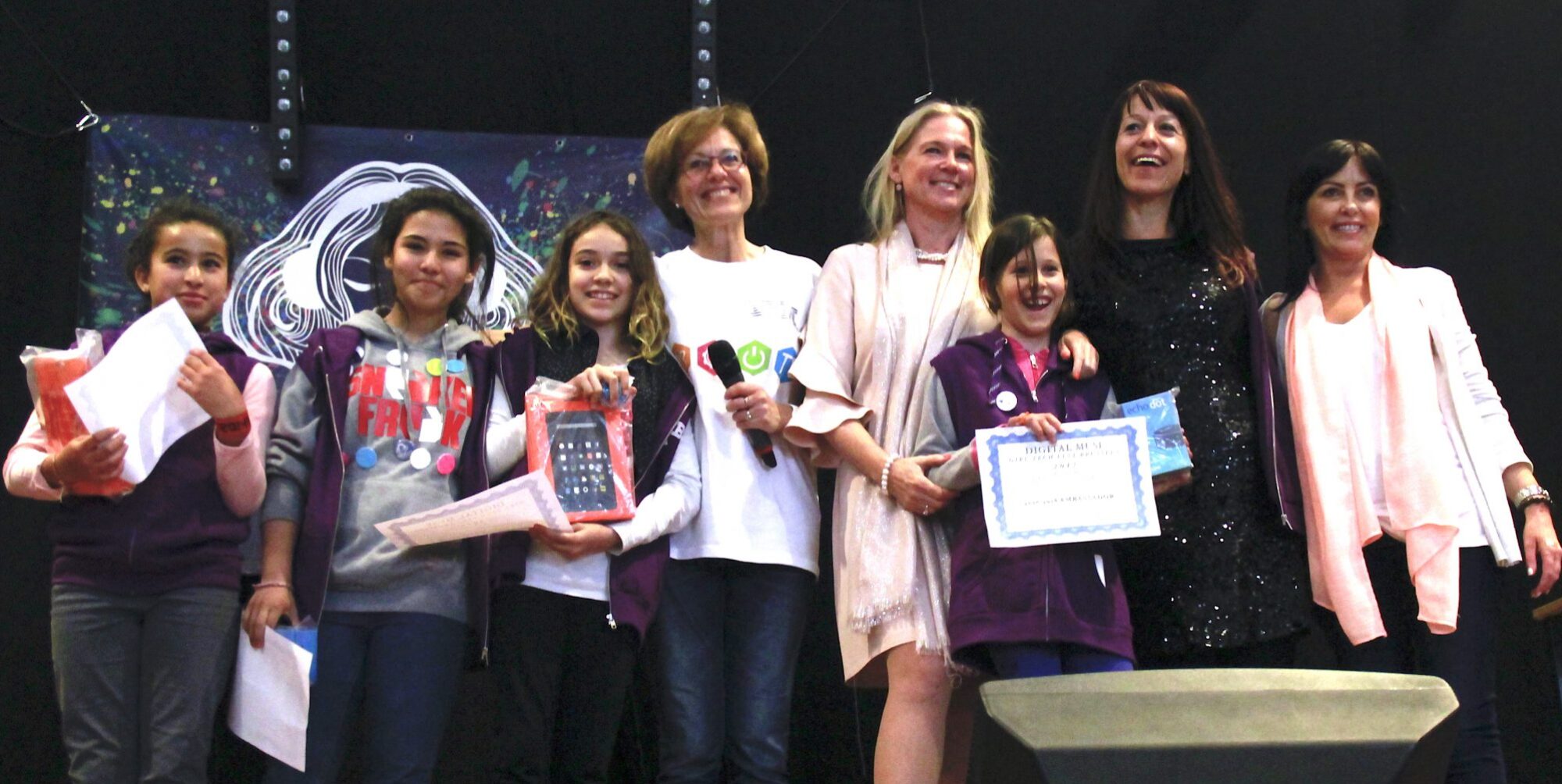


On 8 December in Brussels, Belgian Deputy Prime Minister Alexander De Croo recognised top girls and women in digital fields in Europe and underscored the need for positive role models, coding curriculum and communities of excellence to encourage youth toward digital careers. “Young people need inspiration,” De Croo said in remarks at a ceremony for the 2016 Ada Awards, named for Lady Ada Lovelace the world’s first computer programmer. “That inspiration comes from seeing excellent people at work, like the girls and women recognised by these awards.”

De Croo’s comments came on the heels of news that women make up fewer IT professionals than ever in Europe despite skyrocketing demand for digital expertise. “Over the last ten years, demand for tech specialists in Europe has grown eight times faster than other fields, but women hold just sixteen percent of these jobs,” explained Cheryl Miller, cofounder of Brussels-based Digital Leadership Institute and organisers of the Ada Awards. “By 2020, one million IT jobs will go unfilled because the skills are not available in the marketplace,” Miller continued. “So by engaging women, we can potentially double the number of tech experts in Europe, increasing European competitiveness and making sure girls and women do not get left behind in the digital disruption.”

Nuria Oliver, winner of the 2016 European Digital Woman of the Year Award, noted that digital disruption risks exacerbating the lack of diversity in tech, but also holds promise for positive change. “The percentage of girls and women in technology in most Western countries is simply not acceptable,” Oliver observed. “But in the future, we will only be able to address problems like global warming and the ageing population with the help of technology. So we need all our diverse human capital on board: to optimise innovation potential and to increase our chances of success in these important fields.”
According to Beata Stelmach, CEO for GE Poland, workforce diversity and digital transformation are two opportunities that GE, hosts of the 2016 Ada Awards ceremony, is explicitly leveraging for success. “We see GE as a 124-year-old software startup,” said Stelmach. “And with this thinking, we seek to pioneer a digital industrial sector that could contribute as much as $1.7 Trillion to European GDP annually by 2025.” In order to fully exploit the opportunities that digitisation brings,”it will be key to engage the entire European workforce,” she added. “And women in particular.”

Cerys Lock and Gabrijela Juriç, winners of the 2016 European Digital Girl of the Year Award, echoed the message of Deputy Prime Minister De Croo. Fourteen-year-old Cerys, feels that more computer science curriculum in school would be critical to get young people, girls included, engaged in the digital transformation. She reflected on the era of the Commodore 64 and said “forty years ago that computer was popular and got people into coding. We need something similar today, like the Raspberry Pi, that I personally am a huge fan of.” Gabrijela, also 14, added: “I am just proud that what I am doing actually matters to people in the sector. That really inspires me to keep going.”

Deputy Prime Minister De Croo summed up the awards event: “When someone is good at something you need to show it and congratulate her for what she is doing,” he said. “That is why the Ada Awards and the work of DLI is important: You need to show examples, and these young ladies are just the kind of examples we all need to see.”
The 2016 European Ada Awards were presented in the following categories to the noted recipients:
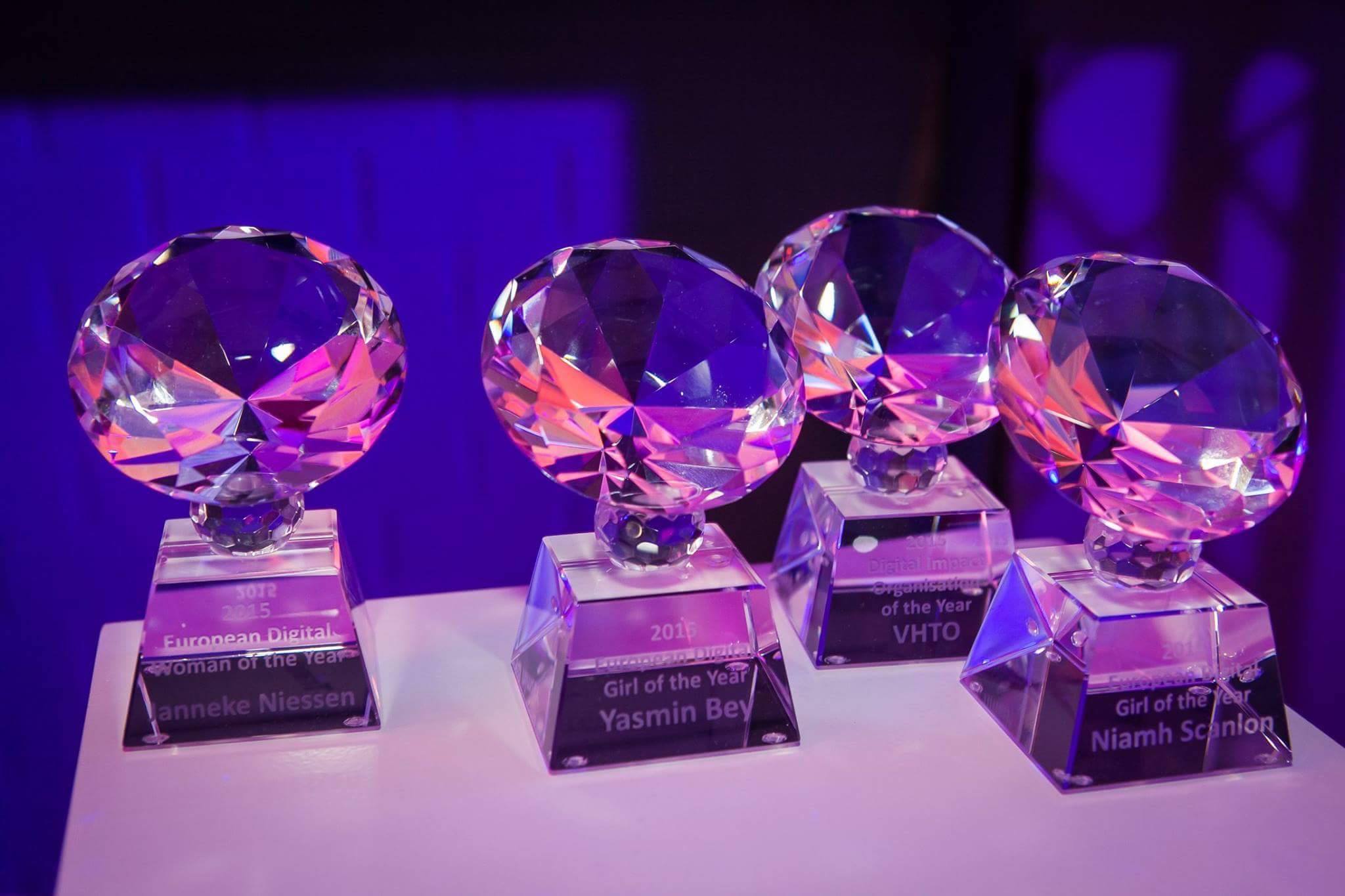
2016 European Digital Woman of the Year: Ms. Nuria Oliver, Spain
2016 European Digital Girl of the Year: Miss Gabrijela Juriç, Croatia (14 years old)
2016 European Digital Girl of the Year: Miss Cerys Lock, England (14 years old)
2016 European Digital Impact Organisation of the Year: CyberMentor, Germany
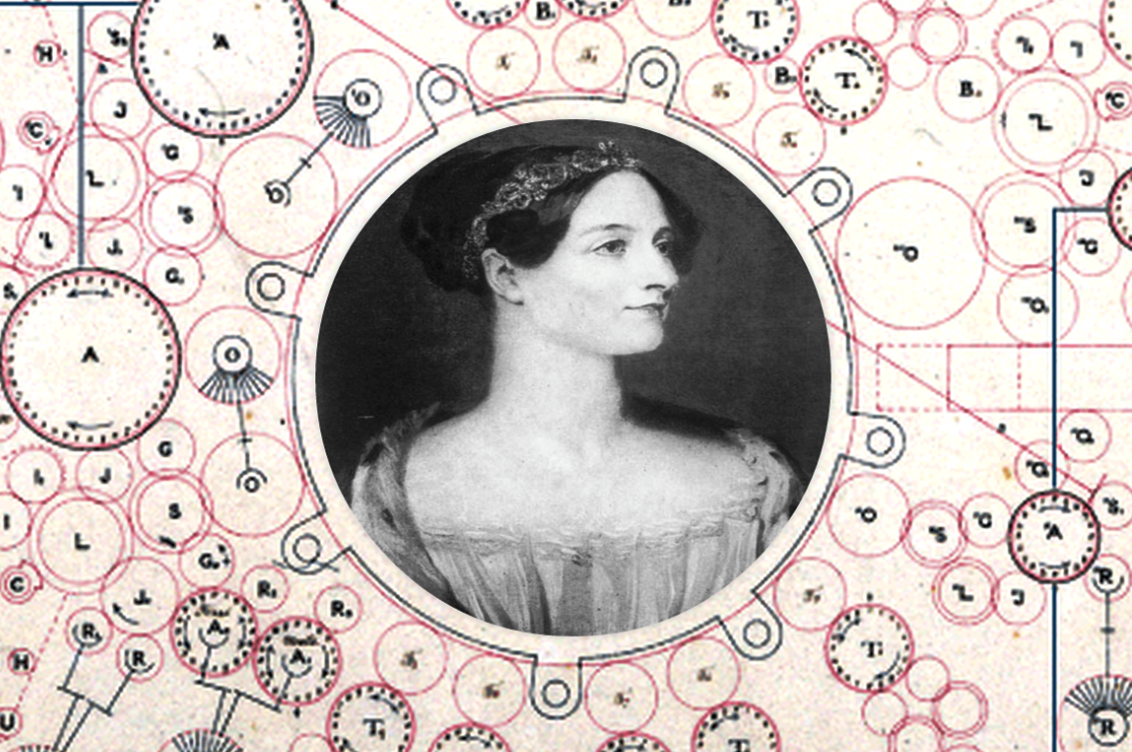
The Ada Awards are an initiative of Brussels-based Digital Leadership Institute in partnership with the Council of European Professional Informatics Societies (CEPIS), DIGITALEUROPE and European SchoolNet. The awards are named for Lady Ada Byron of Lovelace, the world’s first computer programmer. They are an official pledge to the Digital Skills and Jobs Coalition in Europe.
The Digital Leadership Institute is a Brussels-based think tank whose mission is to promote inclusive digital transformation.



 Saskia Van Uffelen has been working in the sector of information and communication technology (ICT) for over 25 years. She has held national and international sales and marketing functions in leading companies such as Xerox, Compaq, HP, Arinso, Bull and CSB Consulting. Thanks to her experience to transform a product driven organization to a provider of services and solutions, Saskia was appointed in 2014 as CEO Belgium and Luxemburg of Ericsson bringing her through the Telecom offer in the heart of the Networked Society.Since 2012, the federal ministry of economic affairs appointed Saskia Van Uffelen as ‘Digital Champion’ for Belgium in support of the mission of the European Commission.
 Nuria Oliver is a computer scientist and holds a Ph.D. from the
  Cerys is a fourteen-year-old who has a passion for technology. Over the past couple of years she has got very involved with Raspberry Pi Computers and now runs her own raspberry jam in her hometown. She also helps at a code club and visits events right across the UK. There is a growing number of media clips and blogs on the internet that she been involved in, all aiming at getting young people–especially girls–involved in tech. Her motto is “if I can do it, you can too.”
 Gabi is fourteen years old and has been programming web and smartphone apps for three years. She builds digital projects and has a passion for creative digital content like music and graphics. Gabi regularly participates in coding activities in school and in her community, especially those reaching out to girls. Her first project was a website to promote ICT to girls and women. Gabi started volunteering at young age and is a member of the school archery club and woodwind orchestra. She is always keen to try new things and believes everybody can be good at something.
 Geek Girls Carrots is a global organisation focused on connecting, learning and inspiring women in Tech and IT. We create community by organising meetings, workshops and other events which gather people to share their knowledge and experience. We bring together female admins, analysts, application architects, developers, graphic designers, IT managers, programmers, social media specialists, system architects, project managers, women with startup ideas, computer science students and many more. Geek Girls Carrots is present in Poland, Germany, USA, Luxembourg, France, Ireland, UK, Japan, Portugal, Gibraltar, Israel, South Korea and Czech Republic. Since 2011, meetings have taken place in 31 cities.
 CyberMentor is Germany’s largest online mentoring program for girls in STEM (MINT in German).


 and growing opportunities for all”: On 18 October at the European Parliament
  21 October –
  24-26 October – WOW Code2Confidence Project Launch (Targu Mures, Romania) : On 24-26 October, Ms. Katja Legisa, DLI Communications Director, traveled to Targu Mures, Romania for the launch of the WOW Code2Confidence project supported by the European Commission Erasmus+ program. This project, which aims to share best practices to increase digital skills among women, was recently awarded to a European consortium made up of DLI and four partners.
 25 October –


