Social entrepreneurship has been under scrutiny for several years now. According to the Global Entrepreneurship Monitor, there is less of a gender gap in social entrepreneurship : “of the world’s social entrepreneurs, an estimated 55% are male and 45% are female – a gender gap that is less pronounced than in commercial entrepreneurship”.
Nevertheless, many reports have highlighted the need for a better integration of women and gender minorities in the social economy, especially as social entrepreneurs.
This initial study of the Coop4Equality project, co-developed by DLI, collected data about gender mainstreaming in the European social entrepreneurship ecosystem to better understand stakeholders’ practices regarding gender equality and inclusivity and aims to answer the following questions:
How do the social entrepreneurship ecosystems mainstream gender-lens?
Is the social entrepreneurship ecosystem adapted to women entrepreneurs?
Does it take their needs into account?
Is there a good understanding of gender equality within this ecosystem?
The Revitalizing STEM Education Program is part of a Series of STEM Education Actions led by UNESCO
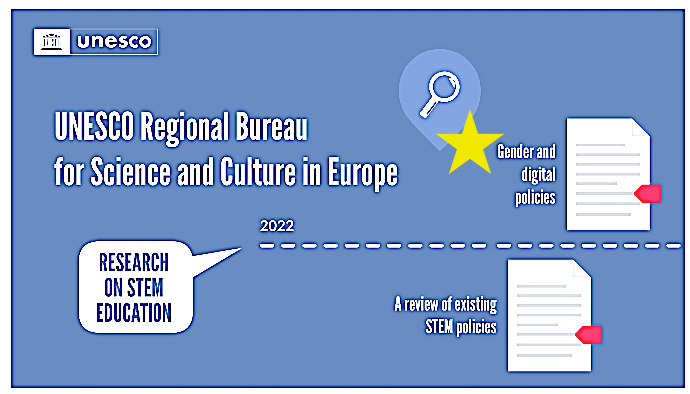
The Revitalizing STEM program builds on groundbreaking work in this field led by UNESCO’s Regional Bureau for Science and Culture in Europe, including support for a regional STEM Alliance, a diverse group of stakeholders in STEM and Education from across Southeast Europe and the Mediterranean. For the past three years, Cheryl Miller, DLI Director, has contributed to the STEM Alliance and authored a report for UNESCO on Digital and Gender Policies in Southeast Europe which also helped inform the present action (see YouTube video here).
Cheryl Miller, DLI Director, authored “Gender and Digital Policies” Report for the UNESCO Regional Bureau for Science and Culture in Europe
The GenSTEMed project aims to increase knowledge of factors influencing the decisions girls and women make about STEM studies and careers, an area in which Romania enjoys global leadership. The project’s Research Activities begin with stakeholder surveys and interviews starting in September 2024, outcomes of which will be shared at a hybrid event in Bucharest in February 2025. The event will also host practitioner discussions, inspiring role model talks, and Educational Activities, latter including hands-on emerging technology workshops targeting students and practitioners and aiming to showcase practices that increase participation of girls and women in STEM.
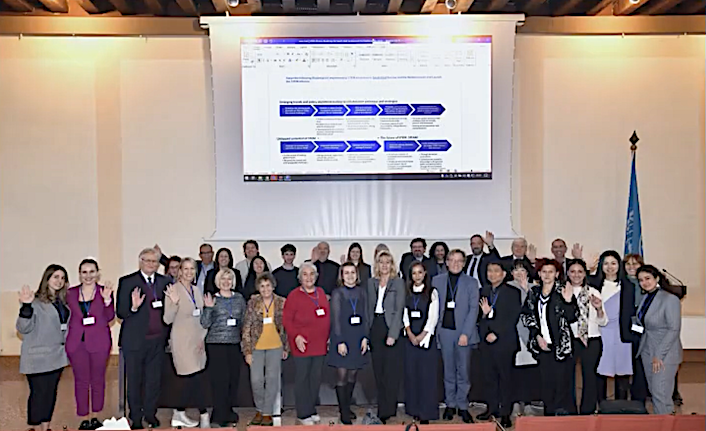
STEM Alliance Conference, April 2023
To learn more about the Gender and STEM Education in Romania project, please follow the UNESCO program website or contact us.
by Lucia Klestincova – Originally posted on LinkedIn
Patriarchy is a real thing. The more you have to give to society, the harder it is. How to lessen the suffering? Check out this unique conversation with a founder of the Digital Leadership Institute, mother of four, policy influencer with decades of experience from Brussels to Washington, and my inspiration – Cheryl Miller Van Dÿck, MBA
📣 How to deal with the overwhelm of women empowerment not really advancing? 🔦 Why did she choose her focus on women in democracy as a national security issue? 📡 How to get more women into cybersecurity, and once that’s done, how to inspire them to choose policy careers rather than much better paying tech business? 🇷🇺 The transatlantic differences in using women empowerment in AI as a national security strategy and how Russia managed to get it right? 🦋 Trap of ageism & sexism in the current paradigm forgetting native leadership talents of women?
Link to Video:
Where? 😎 #LuciaKlestincova channel on #youtube 🎧 Lights on Europe on your #podcast platforms and Spotify!
On 6 February 2024, Cheryl Miller, DLI Director, joined an Organisation for Economic Co-operation and Development (OECD) and Microsoft panel on “Building a Skilled Cyber Security Workforce: Insights from OECD Countries,” taking place in Paris and online.
Digital Decade for Europe Skills Targets Embrace Gender Equity
Joined by experts from Poland, Ireland and France, Ms. Miller’s interventions focused on ways to increase participation of girls and women as ICT specialists in the EU, including in cybersecurity. She underscored that this is consistent with the aim of closing the gender gap in these fields articulated in the Digital Decade for Europe mission.
The OECD event also showcased results from two recent OECD reports:
“Building a Skilled Cyber Security Workforce in Europe” Report
“Building a Skilled Cyber Security Workforce in Five Countries” Report
“The first countries to recognize diversity in cybersecurity as critical to national and regional security will definitely reap the rewards,” Ms Miller concluded.
A Successful Footprint for Increasing Digital Skills and Tech Entrepreneurship Among Women
By Cheryl Miller Van Dÿck, Head of W20 EU Delegation
(Originally published on the Sasakawa Peace Foundation website in English and Japanese)
W20 Series – Special Feature on Digital and Reskilling The G20’s official engagement group Women 20 (W20) has identified the gender digital divide as one of its key challenges and has included it in its policy recommendations to G20 countries. While there are concerns that the accelerating pace of technological advancement in recent years will further widen the gender digital divide, initiatives to close the gender digital divide have started around the world by utilizing digital technologies and reskilling. As a spin-off of the feature articles of W20 Series which introduce works and activities of the W20 and its delegates, this series will showcase the case studies of empowering women through digital technologies and reskilling women in the G20 countries. (W20 India Website: https://w20india.org/)
The Digital Leadership Institute, a Brussels-based nonprofit I founded in 2014 with the mission of promoting inclusive digital transformation, has benefitted from such EU funding schemes in order to deliver innovative and award-winning programs that increase participation of girls and women in “ESTEAM”—or “entrepreneurship and arts powered by STEM”—and that contribute to women’s economic agency as professionals, entrepreneurs and leaders across the board.
We4Change aims to connect girls and women for environemntal change with digital and innovation (Source: DLI)Over the past ten years, DLI programs have positively impacted tens of thousands of girls and women across Europe and beyond, and have advanced the state of the art for practices that are successful at promoting digital entrepreneurship and leadership by women, many that DLI was first to identify. These initiatives include the Ada Awards, international awards recognising outstanding girls and women in digital research and careers and their supporting people and organisations; We4Change, a project that aims to contribute to the EU Youth Strategy by empowering young girls and women with digital and innovation skills, to have an active role in addressing the challenges posed by climate change; inQube, a global network promoting women-led, digitally-driven and digitally-enabled enterprises with the “Move It Forward” flagship female digital starter events; Digital Muse, a European network promoting ‘STEM-powered entrepreneurship and the arts’ for girls (Digital Muse); Digital Brusselles, Europe’s first female tech incubator; and Cypro, a cyber professional training and career placement program for women. Of those noted, Move It Forward and Cypro especially embody best practices to attract girls and women to digital fields.
Move It Forward (MIF) supports female entrepreneurs (Source: DLI)Move It Forward (“MIF”) is the flagship event of DLI’s inQube platform promoting women tech starters. It is a two-day project-driven entrepreneurship event for teen and adult women of all skill levels with the aim of supporting them to become technology entrepreneurs. MIF provides beneficiaries the mission, tools, community, resources and know-how to deliver tech and tech-enabled solutions for challenges that disproportionately impact girls and women and their communities. Each MIF event includes digital skills trainings, project work and pitching, networking with community members and partners, and recognition and awards that take the form of mentorship and long-term support for projects launched.
In 2020, Move It Forward was the subject of a European Commission-funded program that also delivered an open-source “MIF+ Toolkit” in order to permit other organisations around the world to benefit from the approach, materials and best-practices assembled over a decade of successfully deploying the MIF initiative. By 2023, Move It Forward had been delivered in twenty-five countries, reaching over twelve-hundred participants and launching more than two hundred women-led tech startups, about fifty of which are ongoing.
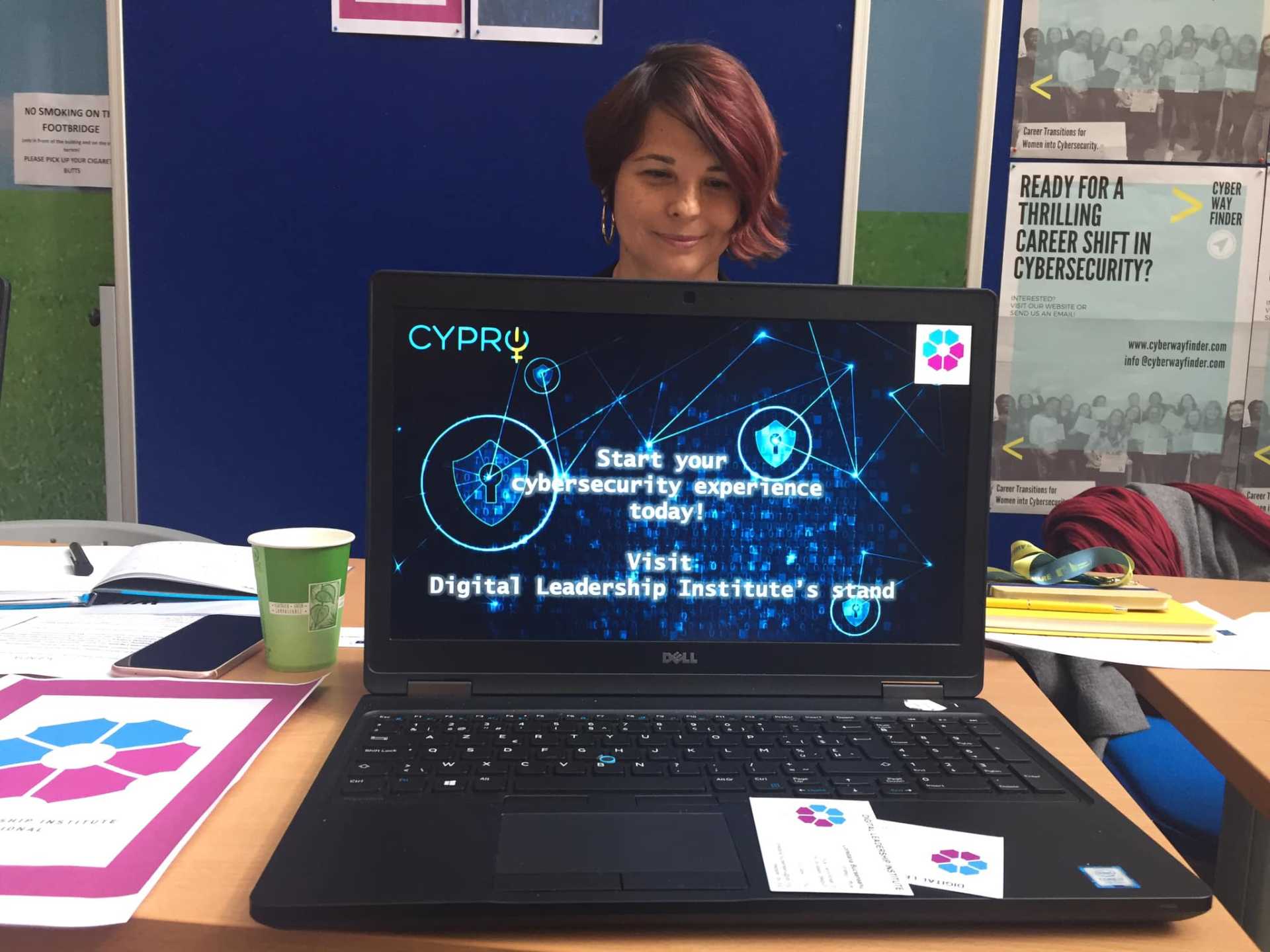
Cypro Nurtures Professional Women in IT (Source: DLI)In addition, in 2017, DLI piloted the Cypro (“Cyber Professional”) training and career placement program whose mission is to educate and matriculate women with five or more years of non-technical work experience into expert roles within IT organisations. After completing a preliminary training period, Cypro beneficiaries join a company as paid IT associates through an on-the-job training/apprenticeship program that lasts up to three years. During this time, participants also spend a percentage of their workweek pursuing IT certification programs through DLI and its partners, AWS, Cisco, Oracle et al., in emerging technology fields that align with their job role, including software development, cybersecurity, cloud computing, IoT, big data, machine learning, AI, etc. Over the course of the Cypro program, DLI also delivers mentorship and community activities for beneficiaries, as well as staffing, evaluation, advancement and DEI support toward client IT organisations.
In its first year, ninety women of diverse backgrounds took part in the Brussels Cypro pilot and completed a Cisco IT Fundamentals bootcamp and AWS Associate trainings. Half were awarded IT certifications, twenty-five percent became Trainer certified, and to date, five percent have become full-time employed with IT organisations. During Covid, Cypro was put on hold and is now being relaunched in collaboration with Amazon Web Services as an official part of their European re/Start program.
Initiatives like Move It Forward and Cypro are successful because they embody best practices to attract and retain girls and women in technology fields. Like all DLI programs, MIF and Cypro explicitly target girls and women as beneficiaries, addressing an underlying negative attitude girls and women sometimes harbour toward STEM, especially Technology, and entrepreneurship. These programs also deliver gender-responsive digital skills trainings, meaning that program design and delivery address factors that specifically ensure success for girl and women program participants. In addition, Cypro delivers skills in deep and emerging tech fields, while MIF teaches key digital skills that are usable in startup and workplace environments.
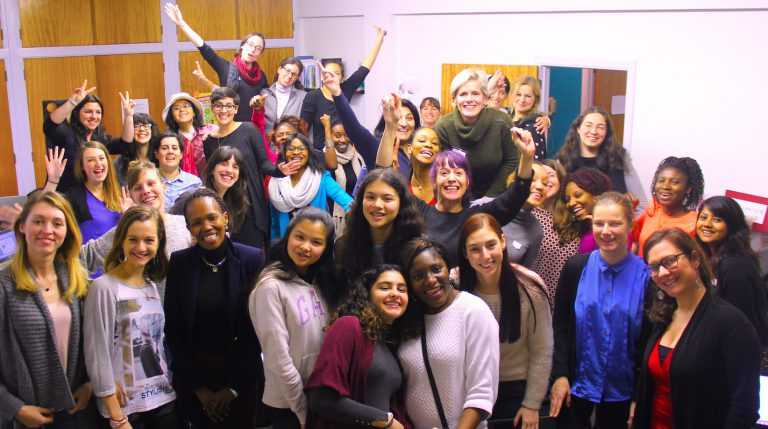
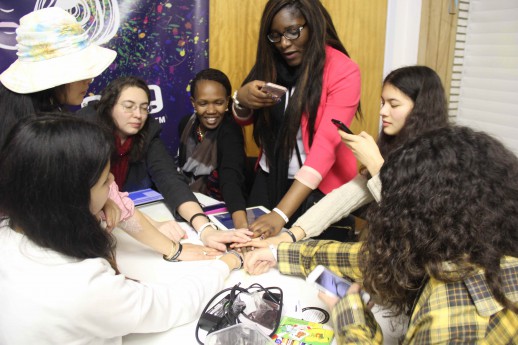
Move It Forward Team-building (Source: DLI)
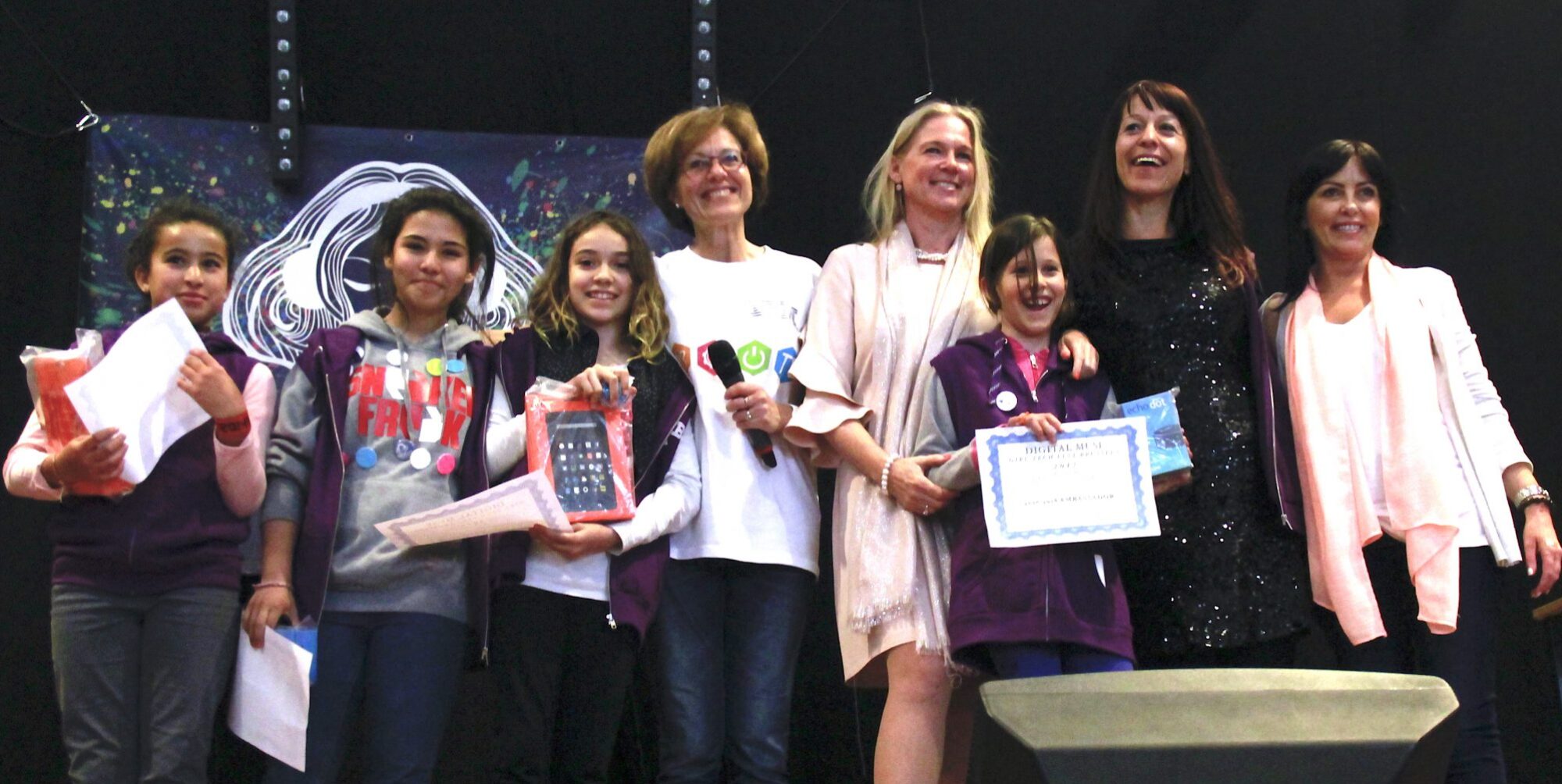
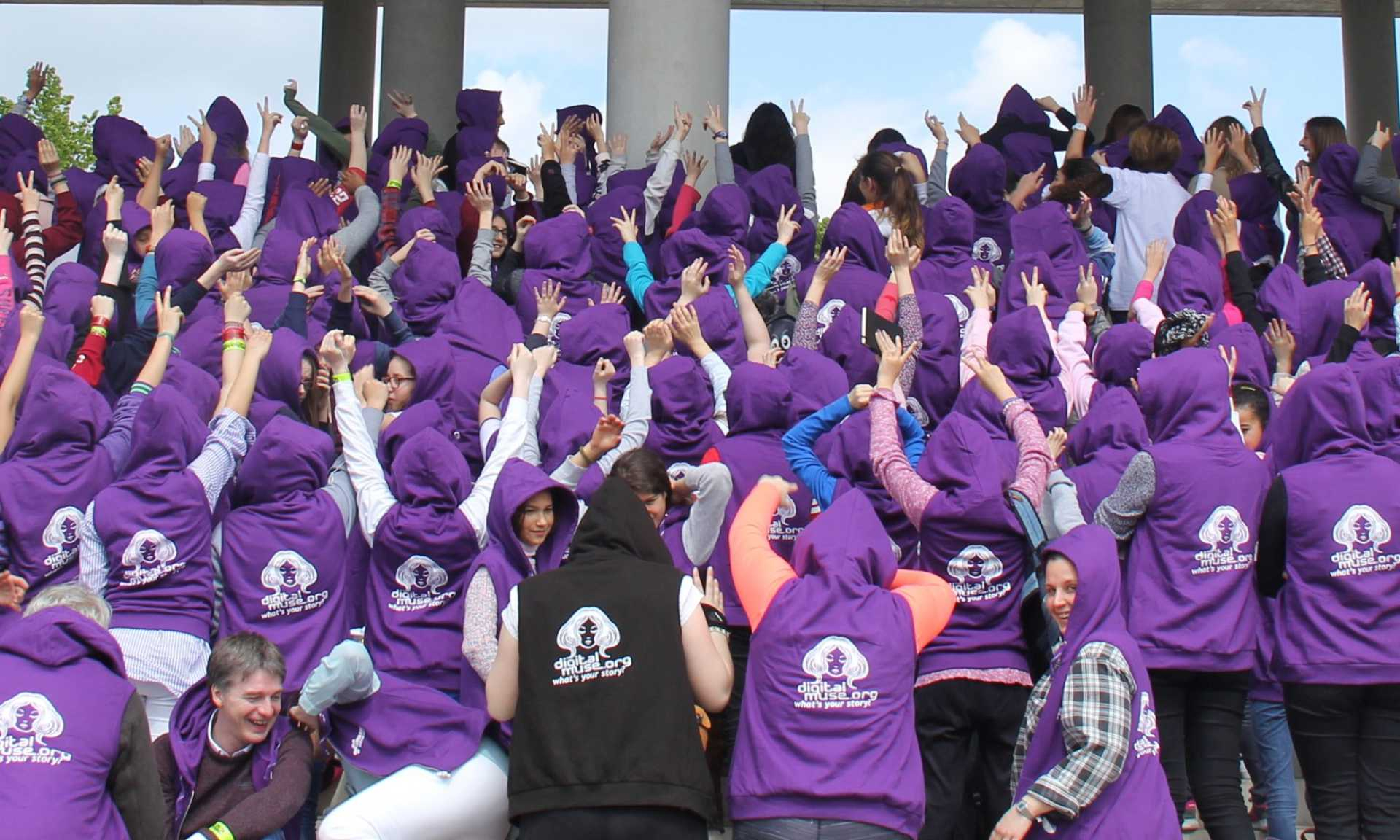
Gathering at Digital Muse Event (Source: DLI)
For long-term sustainability, we focus on building community around all DLI activities, which is perhaps the single-most important factor in achieving a more inclusive digital transformation over the long-term. MIF and Cypro also focus on providing access to mentorship and resources, including financing and startup advice, which connects program participants to a larger ecosystem. Finally, a major barrier to women making the transition into tech fields is that they cannot necessarily undertake effort that either involves a financial outlay and/or represents unpaid work—thus reflecting in their lower participation in tech bootcamps, startup weekends, skills trainings, etc. DLI programs therefore offer scholarships to participants, prioritise remunerated training and apprenticeship opportunities, and support job placement and/or business launch and scaling in order to shorten the path toward financial independence for program participants. This also represents a critical success factor in getting women into and keeping them in technology fields.
Unfortunately, work like the foregoing is difficult and successes far too few. Despite an increase in European programs that support work that tackles underrepresentation of girls and women in STEM at ecosystem, capacity-building and grass roots levels, negative trends have not reversed over the past decade. DLI’s own successes especially have been limited, most notably by a lack of sustained funding to support continued effort on our critical path, and by an inability for us to scale successes across broader geographies. In the case of Cypro, the very barriers to entry that keep women out of the tech sector are also those that DLI has encountered in sustaining the program and followup action to ensure participant success.
Replicating and scaling innovative initiatives, like those that DLI leads, is not an unusual challenge in Europe, a geography of 550 million people speaking dozens of languages across almost thirty sovereign countries. At the same time, a persistent lack of funding for programs promoting gender equity, including in STEM, is a symptom of institutionalised discrimination across all fields that also manifests as a lack of policy priority-setting on such issues. Public sector leadership in this context is critical, however, because it also stimulates private sector uptake of approaches to promote gender parity, and thereby engenders a virtuous circle of action tackling problems like the gender digital divide.
Gender digital divide addressed at W20 summit (Source: W20 India)
In her 2023 State of the European Union speech, European Commission President Von der Leyen highlighted EU policies that support greater participation of girls and women in STEM sectors, especially tech, which include broad-sweeping digital skilling, some that targeted underserved demographics, as well as programs promoting women entrepreneurs.
These actions, along with global leadership like the W20’a ongoing work to close the Digital Gender Divide and recent W20 India breakthrough to institutionalise a Women’s Empowerment Working Group at the G20 level, give us room to be optimistic about what the future will bring on this critical subject.
Author’s Profile
Cheryl Miller Van Dÿck is Director of the Brussels-based Digital Leadership Institute, Head of EU Delegation to the G20 Women20, and Chair of the Education, Skills Development and Labour Force Participation Task Force, 2023 G20 India Women20.